
Aircraft maintenance is essential for ensuring safety, reliability, and operational efficiency in aviation. With aging fleets, supply chain challenges, and new digital technologies transforming maintenance practices, buyers must make informed decisions. This guide explains how aircraft maintenance works, what buyers should consider, and the latest trends shaping the global aviation maintenance industry.

Quick Buyer Tip
Quick Tips for Aircraft Maintenance Buyers
-
Verify supplier certifications such as FAA or EASA approval.
-
Always check component traceability and maintenance documentation.
-
Consider predictive maintenance technologies to reduce downtime.
-
Work with trusted suppliers that maintain reliable parts inventory.
-
Compare turnaround times and technical expertise before selecting a maintenance provider.
Need a part right now? Submit an RFQ on Aviatrading and reach verified sellers worldwide.
Key Questions Buyers Ask About Aircraft Maintenance
What is aircraft maintenance and why is it important?
Aircraft maintenance refers to the inspection, repair, overhaul, and replacement of aircraft components to ensure safe and efficient operation. It includes scheduled inspections, unscheduled repairs, component replacements, and compliance with regulatory requirements set by aviation authorities. Effective maintenance protects aircraft reliability, passenger safety, and long-term asset value.
How large is the aircraft maintenance market?
The global aircraft Maintenance, Repair, and Overhaul (MRO) market is expanding rapidly and is expected to reach around $155 billion by 2034, driven by increasing air travel demand and aging aircraft fleets.
Why is maintenance demand increasing now?
Aircraft delivery delays and supply chain issues are forcing airlines to operate older aircraft longer, which significantly increases demand for maintenance services and spare parts.
What should buyers focus on when choosing maintenance services or parts?
Buyers should evaluate regulatory compliance, traceability of parts, maintenance history, turnaround time, and supplier credibility. A reliable maintenance strategy reduces downtime and improves aircraft lifecycle performance.
Understanding Aircraft Maintenance: A Strategic Perspective for Buyers
Aircraft maintenance is one of the most critical elements of aviation operations. Whether you are an airline, leasing company, aircraft owner, or maintenance procurement manager, understanding how maintenance works helps protect both safety and financial investment. Maintenance activities typically fall into several categories: line maintenance, base maintenance, component maintenance, and engine overhaul. Each of these plays a role in ensuring aircraft airworthiness and operational efficiency.
In recent years, the importance of maintenance planning has increased significantly due to fleet aging and operational pressures. Airlines are increasingly keeping aircraft in service longer while waiting for delayed deliveries from manufacturers. As a result, maintenance requirements are growing across the industry, creating a more competitive aftermarket environment and increasing demand for reliable suppliers and service providers.
For buyers, this means maintenance is no longer just a regulatory requirement—it is a strategic decision that directly impacts operational costs, safety performance, and aircraft availability.
Key Types of Aircraft Maintenance Buyers Should Know
Understanding the types of maintenance services helps buyers make better procurement decisions and optimize maintenance budgets.
Line Maintenance
Line maintenance refers to routine inspections and minor repairs carried out while the aircraft is on the ground between flights. These tasks include visual inspections, troubleshooting systems, replacing small components, and performing routine servicing tasks. Because these checks are performed frequently, reliability and turnaround speed are extremely important when selecting a maintenance partner.
Base Maintenance
Base maintenance involves more extensive inspections and repairs performed in hangars. These include structural inspections, major component replacements, and compliance with scheduled maintenance programs. Aircraft may remain in a maintenance facility for several days or weeks during heavy maintenance visits.
Component Maintenance
Component maintenance focuses on individual aircraft parts such as avionics systems, landing gear, hydraulic systems, and auxiliary power units. Many operators outsource this work to specialized component repair facilities that hold appropriate certifications and expertise.
Engine Maintenance
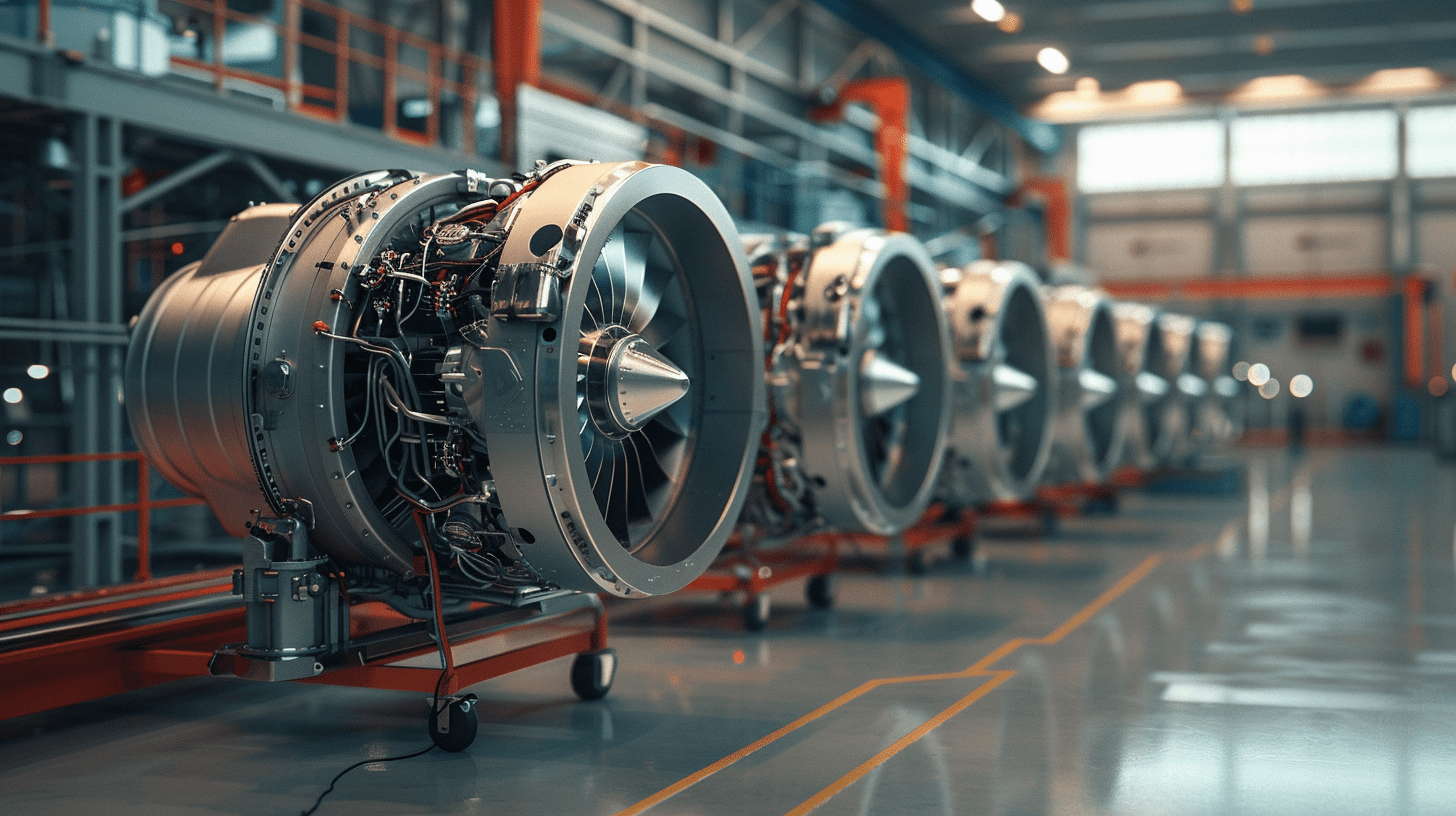
Engine maintenance is often the most expensive and technically demanding part of aircraft maintenance. Engine overhaul involves disassembly, inspection, replacement of worn parts, and reassembly to restore engine performance. Engine maintenance costs represent a significant portion of overall aircraft maintenance budgets.
Source it on Aviatrading
Verified sellers, documentation attached to every listing, and every transaction protected by escrow. You pay only when a deal closes.
How Technology is Transforming Aircraft Maintenance
Technology is reshaping how maintenance is performed across the aviation industry. Buyers today must understand these changes to choose suppliers that offer modern and efficient solutions.
One of the most important developments is predictive maintenance, which uses real-time aircraft data and advanced analytics to detect early signs of component wear or failure. This approach allows maintenance teams to replace parts before they fail, reducing unscheduled repairs and operational disruptions.
Predictive systems combine aircraft sensor data, maintenance logs, and analytics platforms to identify potential issues early. Airlines can then schedule maintenance during planned downtime rather than grounding aircraft unexpectedly. This not only improves operational reliability but also enhances safety and reduces maintenance costs.
Another major trend is the adoption of digital twin technology, which creates virtual replicas of aircraft systems to simulate wear patterns and maintenance scenarios. Combined with artificial intelligence and machine learning tools, these systems help maintenance teams forecast future repair needs and optimize maintenance schedules.
Automation and robotics are also becoming common in maintenance facilities. Robots can perform inspections, automated drilling, and structural analysis, improving accuracy while reducing labor-intensive tasks.
For buyers, these innovations mean that choosing a technologically advanced maintenance provider can significantly improve operational efficiency.

The Impact of Supply Chain Challenges on Maintenance Buyers
Aircraft maintenance buyers must also consider the impact of supply chain disruptions. Over the past few years, shortages of aircraft components and engine parts have caused delays in maintenance operations across the aviation industry.
Industry data suggests that supply chain issues have added billions of dollars in additional costs to airlines due to maintenance delays, spare engine leasing, and parts shortages.
These challenges highlight the importance of working with reliable suppliers who maintain strong inventory networks and transparent sourcing processes. Buyers should prioritize vendors with established relationships with original equipment manufacturers (OEMs) or certified parts suppliers to reduce delays and ensure component availability.
Additionally, buyers should consider working with multiple suppliers or aviation marketplaces to diversify sourcing options and mitigate supply risks.
What Buyers Should Look for in an Aircraft Maintenance Provider
Selecting the right maintenance provider requires a combination of technical evaluation and business analysis. Buyers should carefully assess the following factors before committing to a maintenance contract.
Regulatory Certification
Maintenance providers must comply with aviation authority regulations such as FAA, EASA, or other national aviation authority certifications. These certifications confirm that the facility follows strict safety and quality standards.
Traceability and Documentation
Every aircraft component must have complete documentation, including maintenance history, repair records, and certification paperwork. Proper documentation ensures compliance with aviation regulations and protects aircraft resale value.
Turnaround Time
Aircraft downtime can cost airlines thousands of dollars per hour. Buyers should evaluate maintenance providers based on their ability to deliver quick turnaround times without compromising quality.
Technical Expertise
Maintenance facilities with specialized expertise in specific aircraft types or engine models can provide better service and more accurate diagnostics.
Digital Capabilities
Providers that use digital maintenance systems, predictive analytics, and electronic records can offer more efficient maintenance planning and better operational visibility.
Sustainability and the Future of Aircraft Maintenance
Sustainability is becoming a key factor in aviation maintenance strategies. Airlines and maintenance providers are increasingly adopting environmentally responsible practices, including the use of eco-friendly materials, recycling of aircraft components, and improved maintenance processes that reduce waste and energy consumption.
Another emerging trend is the use of additive manufacturing, commonly known as 3D printing, to produce aircraft components more quickly and cost-effectively. This technology allows maintenance providers to manufacture certain parts on demand, reducing lead times and lowering logistics costs.
For buyers, these innovations represent opportunities to improve operational efficiency while supporting broader sustainability goals.
Why Smart Buyers Use Aviation Marketplaces
Aircraft maintenance procurement is becoming more complex as fleets grow and maintenance demands increase. Many aviation companies now rely on digital marketplaces and specialized platforms to source maintenance services and certified aircraft components.
These platforms connect buyers with verified suppliers, maintenance providers, and parts distributors, improving transparency and reducing procurement time. Buyers can compare suppliers, verify certifications, and access a wider network of aviation service providers.
For aircraft operators and maintenance managers, using a reliable marketplace simplifies procurement while ensuring access to competitive pricing and certified aviation parts.
Join the Marketplace Built for Speed Now!
Opening an account is fast and easy. You can start listing your parts right away or search for the parts you need — all in one secure place. No need to wait. Join Aviatrading today and use a marketplace built to move at your speed.
Sell faster. Buy smarter.
Put your inventory in front of the right buyers right away. Whether you’re selling extra stock or looking for urgent components, Aviatrading gives you real-time access to the market so you can make quick, confident decisions.

Final Thoughts
Aircraft maintenance is far more than a regulatory requirement—it is a critical investment in safety, reliability, and long-term operational efficiency. As global fleets continue to grow and aircraft remain in service longer, the demand for high-quality maintenance services and certified components will only increase. Buyers who take a strategic approach to maintenance procurement can significantly reduce operational risks and improve aircraft availability.
By working with certified maintenance providers, ensuring full traceability of aircraft parts, and embracing modern technologies such as predictive maintenance and digital record systems, aviation companies can optimize both safety and cost management. At the same time, staying informed about industry trends, supply chain challenges, and emerging technologies will help buyers make smarter purchasing decisions.
Ultimately, successful aircraft maintenance management depends on strong partnerships with trusted suppliers and maintenance organizations. By focusing on quality, transparency, and efficiency, buyers can ensure their aircraft remain compliant, reliable, and ready for safe operation in an increasingly demanding aviation environment.
AVIATION MARKETPLACE CATEGORIES
Global supplier of aircraft parts for operators and MROs. We source rotables, consumables, avionics, and structural components with proper documentation and fast worldwide support.
Buy and sell aircraft engine units with full status details and documentation. We support green time, serviceable, and LLP-controlled engines with global sourcing and fast response.
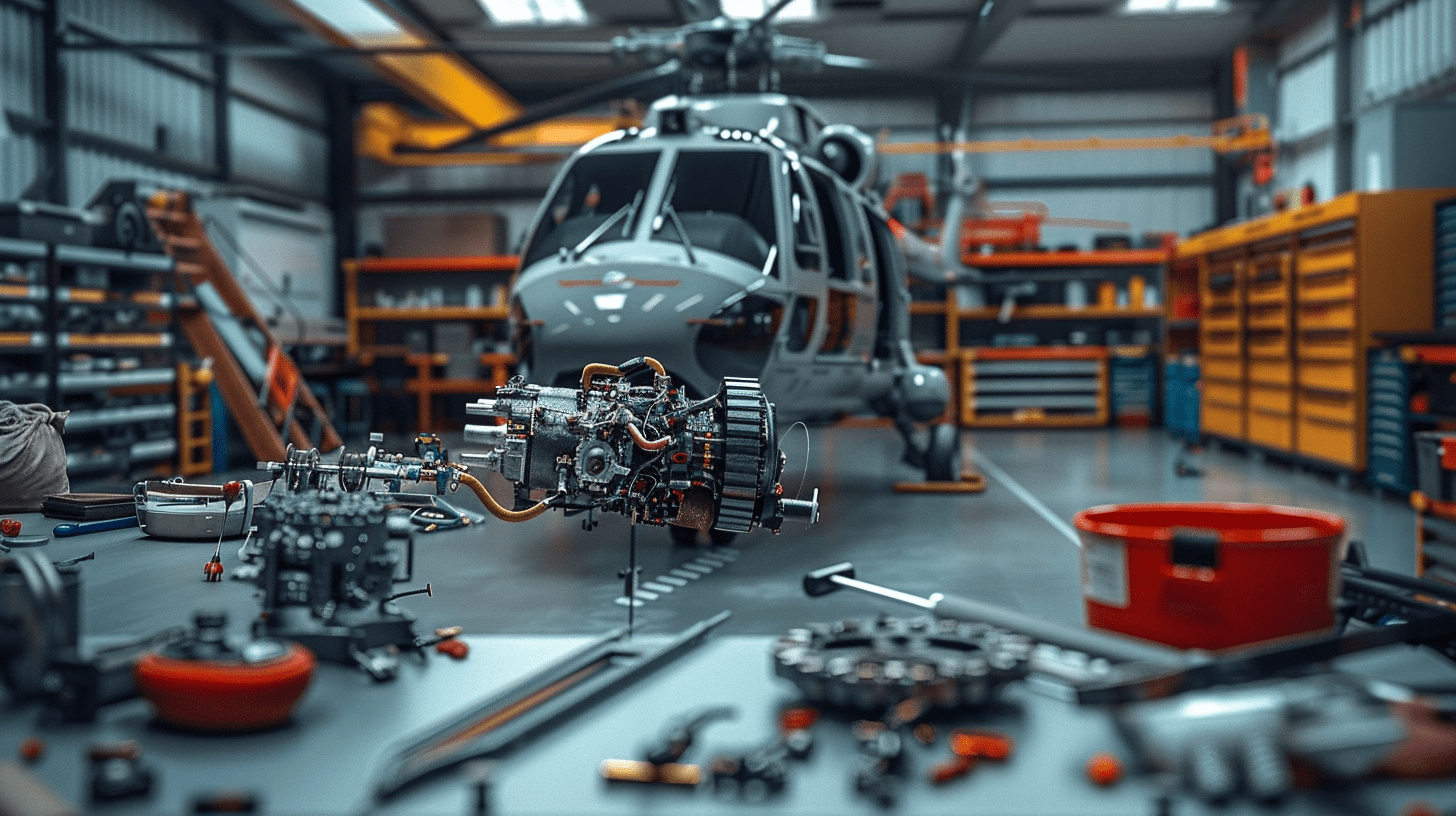
Reliable helicopter parts supply for operators and MROs. We source dynamic components, avionics, engine accessories, and airframe parts with proper certification and global support.
Trusted source for aircraft equipment including cockpit systems, cabin components, safety units, and electrical parts. Certified, traceable, and delivered with fast worldwide service.

Source it on Aviatrading
Verified sellers, documentation attached to every listing, and every transaction protected by escrow. You pay only when a deal closes.