
The aviation industry continues to evolve rapidly, driven by technological innovation, sustainability goals, and growing global demand for air travel. Aircraft components play a critical role in ensuring safety, efficiency, and reliability. Understanding the latest trends in aircraft components helps airlines, MRO providers, and aviation suppliers stay competitive in a fast-changing aerospace environment.

Quick Buyer Tip
Key Trends Shaping the Aircraft Components Industry
Digitalization and Predictive Maintenance
Smart sensors and data analytics help airlines detect component issues early and reduce unexpected aircraft downtime.
Expansion of the Aircraft Aftermarket
Growing aircraft fleets are increasing demand for spare parts, maintenance services, and component repair solutions.
Digital Marketplaces for Aircraft Components
Online aviation platforms help buyers quickly find certified aircraft parts and streamline procurement processes.
Need a part right now? Submit an RFQ on Aviatrading and reach verified sellers worldwide.
Top Trends in Aircraft Components (2026 Aviation Industry Outlook)
What are the latest trends in aircraft components?
Answer:
The aircraft components industry is evolving rapidly due to digital technologies, sustainability initiatives, advanced materials, and global supply chain transformation. Airlines, maintenance providers, and aircraft manufacturers are investing heavily in predictive maintenance systems, additive manufacturing (3D printing), lightweight composite materials, and smarter component tracking systems. These innovations help reduce aircraft downtime, improve safety, and extend the lifecycle of critical aircraft parts.
Industry forecasts also show strong growth in the aviation aftermarket, with aircraft maintenance, repair, and overhaul (MRO) demand expected to exceed $146 billion over the next decade, driven by increasing global fleets and higher aircraft utilization.
Understanding these trends is essential for aviation professionals, airlines, and aircraft parts suppliers who want to remain competitive in the rapidly evolving aviation ecosystem.
1. Digitalization and Smart Aircraft Components
One of the most transformative trends in aircraft components is the rapid adoption of digital technologies. Aircraft systems are becoming increasingly connected, allowing airlines and maintenance providers to monitor component performance in real time. Sensors installed in engines, landing gear, avionics systems, and hydraulic components collect operational data that can be analyzed through artificial intelligence and machine learning systems.
These digital technologies enable predictive maintenance, where potential failures are detected before they occur. Instead of waiting for a component to fail, maintenance teams can replace or repair it based on real-time data analysis. This approach reduces unscheduled maintenance events and improves operational efficiency.
Modern digital twin technology is also gaining traction in aviation. Digital twins create virtual replicas of aircraft components that mirror real-time conditions and allow engineers to detect wear patterns or structural issues early. Studies show that predictive monitoring can significantly reduce aircraft ground time while improving safety and reliability.
For airlines and aircraft operators, digitalized aircraft components represent a major step toward smarter fleet management and cost optimization.
2. The Rise of Additive Manufacturing (3D Printing)
Additive manufacturing, commonly known as 3D printing, is revolutionizing the way aircraft components are produced and supplied. Instead of traditional machining or casting, 3D printing builds components layer by layer using metal powders or specialized aerospace materials. This method allows manufacturers to create lightweight yet highly durable aircraft parts with complex geometries.
Today, many aircraft manufacturers and MRO providers are already using 3D printing to produce brackets, cabin components, ducting parts, and structural fittings. Research indicates that around 13–19% of aircraft replacement components are now manufactured using additive technologies, reducing production lead times by up to 25%.
The benefits of additive manufacturing extend beyond faster production. It also reduces material waste and enables on-demand manufacturing, allowing airlines and maintenance providers to quickly source replacement parts without relying on traditional supply chains.
As certification processes for additive components continue to evolve, the aviation industry is expected to significantly expand the use of 3D-printed aircraft components over the coming decade.
Source it on Aviatrading
Verified sellers, documentation attached to every listing, and every transaction protected by escrow. You pay only when a deal closes.
3. Lightweight Materials and Advanced Composites
Another important trend shaping the aircraft components sector is the increased use of lightweight materials and advanced composites. Modern aircraft are designed to maximize fuel efficiency, and reducing weight plays a critical role in achieving this goal.
Aircraft manufacturers are increasingly using carbon fiber composites, titanium alloys, and advanced aluminum materials in aircraft structures and components. These materials provide excellent strength while significantly reducing overall aircraft weight. In many modern aircraft designs, composites can represent more than 50% of structural materials used in the airframe and major components.
Lightweight materials also improve aircraft performance by reducing fuel consumption and lowering emissions. Even a small reduction in component weight can generate substantial fuel savings over the operational life of an aircraft. This is why airlines and manufacturers are investing heavily in research related to composite materials and high-performance alloys.
As the aviation industry continues its push toward greater efficiency, lightweight aircraft components will remain a central focus for engineers and manufacturers.
4. Sustainability and Eco-Friendly Aircraft Components
Sustainability has become one of the most significant drivers of innovation in aviation. As the industry works to reduce carbon emissions and meet international environmental targets, aircraft component manufacturers are focusing on eco-friendly materials and energy-efficient manufacturing processes.
Many MRO providers are now using recycled materials, biodegradable maintenance chemicals, and eco-friendly refurbishment technologies to extend the life of aircraft components. Additionally, lightweight retrofits and advanced coatings are helping reduce aircraft fuel consumption and emissions.
Recent industry reports indicate that more than 37% of MRO providers have adopted sustainable component refurbishment processes, while many airlines are installing lighter cabin materials and components that can improve fuel efficiency by up to 6%.
Sustainable aviation components are not only environmentally responsible but also economically beneficial. Airlines can lower operating costs through reduced fuel consumption and extended component lifecycles.
5. Growth of the Aircraft Aftermarket and Component MRO
The aircraft aftermarket — including maintenance, repair, and overhaul (MRO) services and replacement components — is becoming one of the fastest-growing sectors in aviation. As global air traffic increases and aircraft fleets expand, the demand for spare parts and maintenance services continues to rise.
Industry forecasts suggest that aircraft component maintenance and replacement will represent about 25% of total MRO demand over the next decade. Engines, landing gear, auxiliary power units, wheels, brakes, and avionics systems all require regular inspection and replacement to maintain safety and performance.
Another factor driving the growth of the aftermarket sector is the increasing service life of commercial aircraft. Thanks to improved maintenance technologies and repair techniques, airlines can operate aircraft longer while maintaining safety and efficiency.
This growing demand has also encouraged airlines to outsource maintenance services to specialized MRO providers, allowing them to focus on core operations while relying on industry experts to manage component repairs and replacements.
For aviation suppliers and component distributors, the expanding aftermarket represents a major business opportunity.
6. AI-Powered Maintenance and Automation
Artificial intelligence is becoming a key tool in modern aircraft component management. AI-driven diagnostic systems can analyze vast amounts of operational data and identify early signs of component wear, corrosion, or malfunction.
These intelligent systems help maintenance teams make faster and more accurate decisions regarding component replacement or repair. AI also supports automated inspections using drones and robotic systems capable of detecting structural damage or surface defects with high precision.
Studies show that the adoption of AI-driven maintenance systems has helped reduce turnaround times for component repairs by up to 23% while improving operational efficiency by around 17% in many aviation maintenance environments.
Automation technologies are also transforming aircraft maintenance facilities. Smart hangars equipped with robotics and sensor systems can conduct routine inspections and assist technicians in performing complex maintenance tasks. This not only improves efficiency but also enhances safety and regulatory compliance.
7. Digital Marketplaces for Aircraft Components
Another emerging trend is the rise of digital aircraft parts marketplaces. Traditionally, sourcing aircraft components involved lengthy procurement processes and complex supplier networks. Today, online aviation marketplaces allow airlines and maintenance providers to search for available parts, compare prices, and complete transactions more efficiently.
Digital procurement platforms help reduce aircraft downtime by enabling faster access to critical components. These platforms also improve transparency in the aviation supply chain by providing better tracking and documentation of parts.
The shift toward digital aviation marketplaces is reshaping how aircraft components are bought and sold globally. As aviation supply chains become increasingly digitalized, component suppliers must adapt to these new procurement models to remain competitive.
Join the Marketplace Built for Speed Now!
Opening an account is fast and easy. You can start listing your parts right away or search for the parts you need — all in one secure place. No need to wait. Join Aviatrading today and use a marketplace built to move at your speed.
Sell faster. Buy smarter.
Put your inventory in front of the right buyers right away. Whether you’re selling extra stock or looking for urgent components, Aviatrading gives you real-time access to the market so you can make quick, confident decisions.
The Future of Aircraft Components
The aircraft components industry is entering a new era defined by digital transformation, sustainability, and advanced engineering. Technologies such as predictive maintenance, additive manufacturing, artificial intelligence, and lightweight composite materials are reshaping how aircraft parts are designed, produced, and maintained.
At the same time, the continued growth of global air travel and the expansion of aircraft fleets are driving long-term demand for aircraft spare parts and maintenance services. With the aviation aftermarket expected to grow steadily over the next decade, companies involved in aircraft component manufacturing, distribution, and maintenance will play an increasingly important role in supporting the global aviation ecosystem.
For airlines, maintenance providers, and aviation marketplaces, staying informed about these trends is essential. Businesses that adopt innovative technologies and efficient supply chain solutions will be better positioned to meet the evolving needs of the aviation industry.
AVIATION MARKETPLACE CATEGORIES
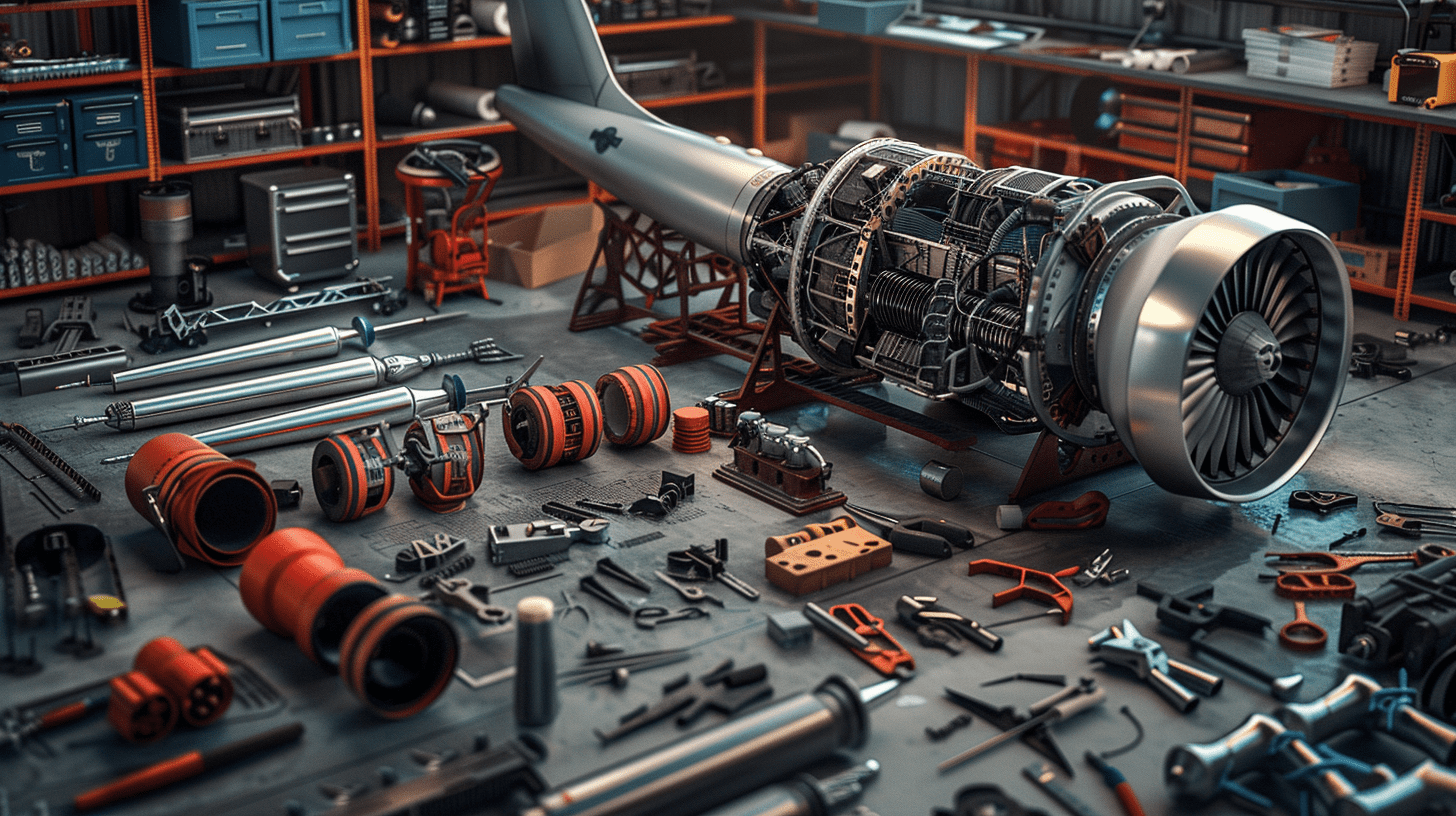
Global supplier of aircraft parts for operators and MROs. We source rotables, consumables, avionics, and structural components with proper documentation and fast worldwide support.
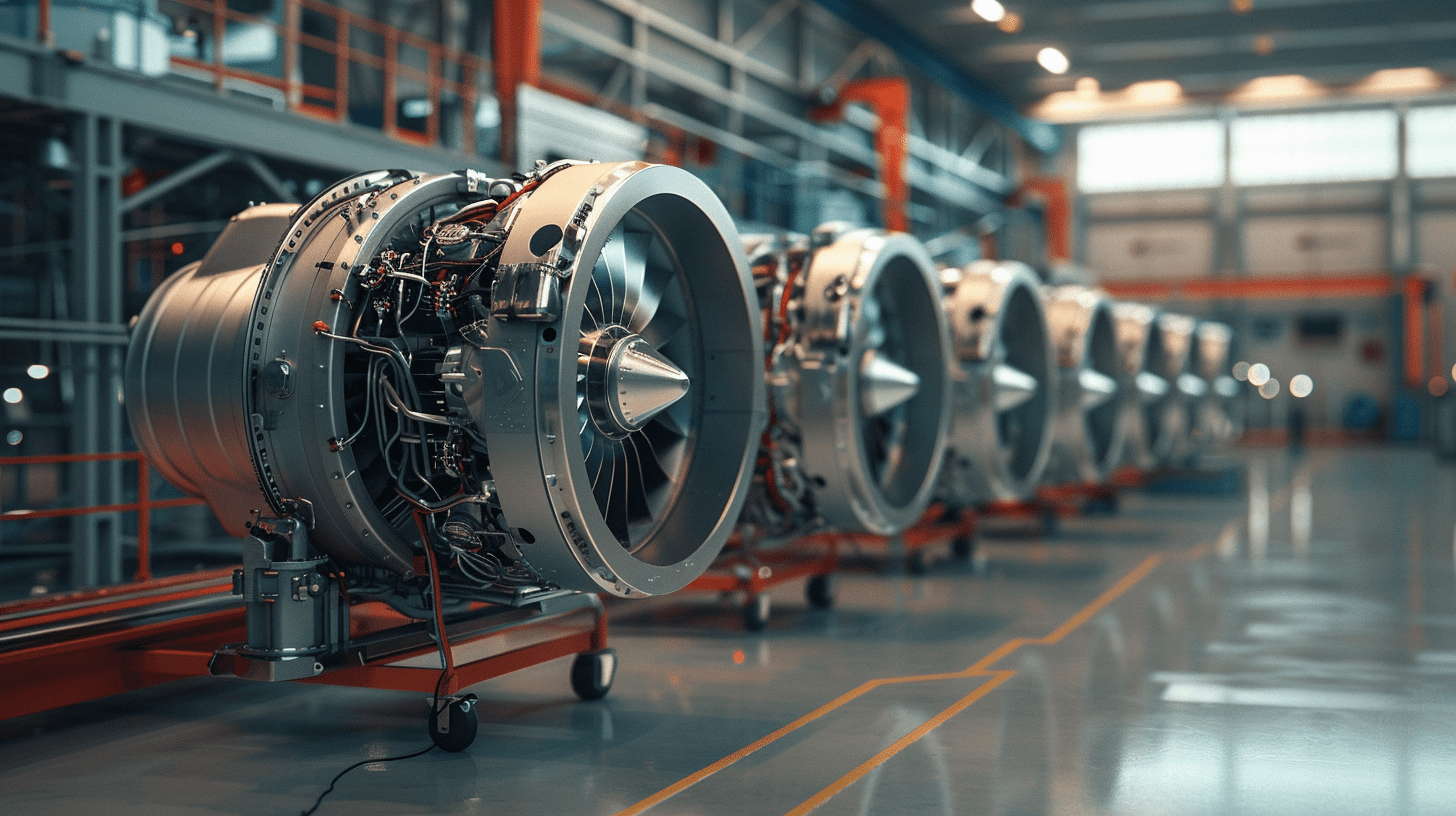
Buy and sell aircraft engine units with full status details and documentation. We support green time, serviceable, and LLP-controlled engines with global sourcing and fast response.
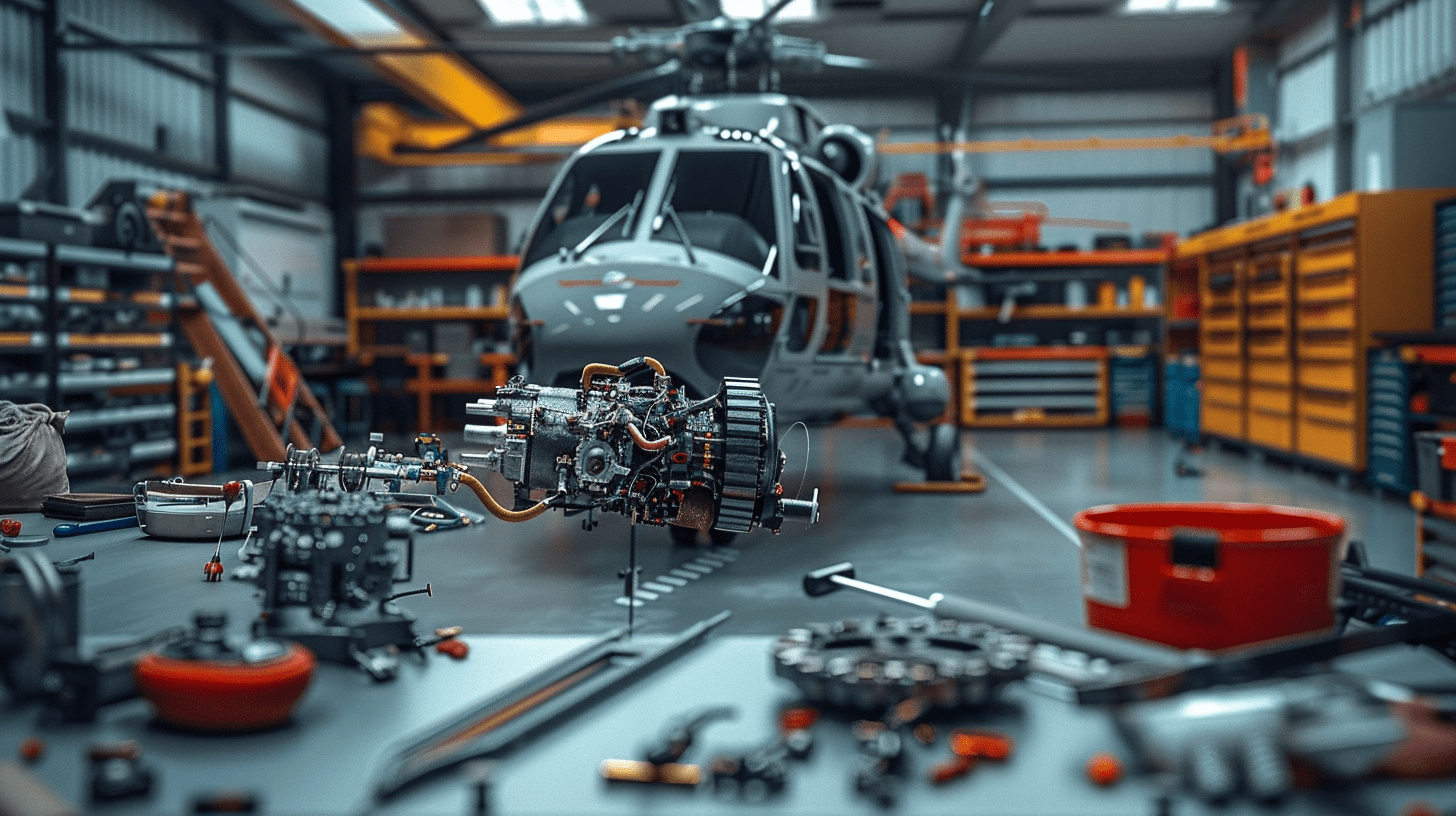
Reliable helicopter parts supply for operators and MROs. We source dynamic components, avionics, engine accessories, and airframe parts with proper certification and global support.
Trusted source for aircraft equipment including cockpit systems, cabin components, safety units, and electrical parts. Certified, traceable, and delivered with fast worldwide service.
Source it on Aviatrading
Verified sellers, documentation attached to every listing, and every transaction protected by escrow. You pay only when a deal closes.